& YOU ARE THE STORY
MY LENS
SPEAKS
YOUR
LANGUAGE
MY LENS
SPEAKS
YOUR
LANGUAGE
& YOU ARE THE STORY
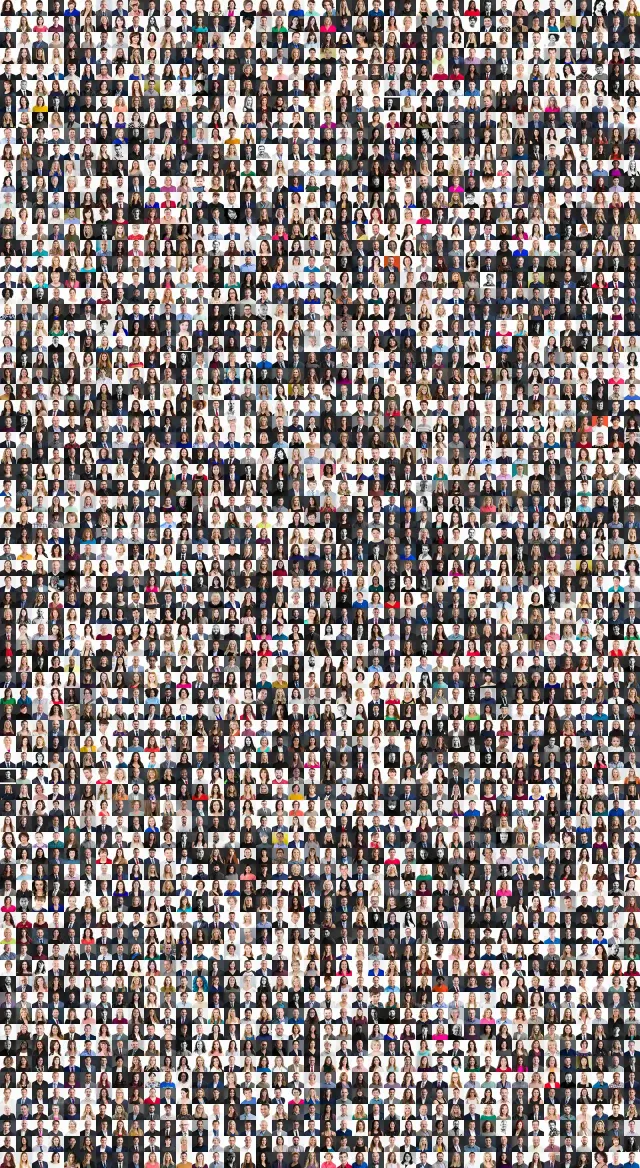
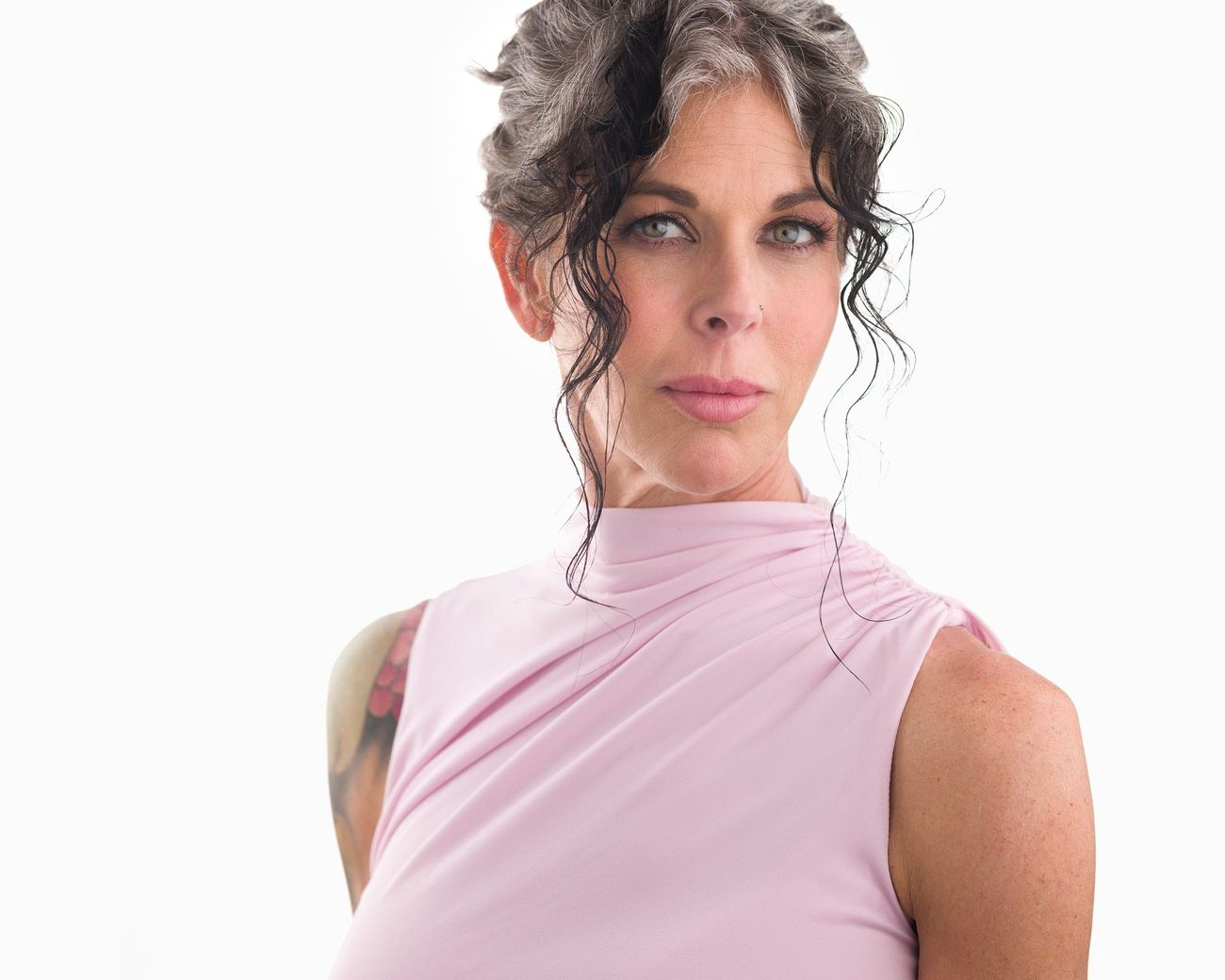
HEADSHOTS that rhyme with your adjectives. PORTRAITS powered by your nouns. ART illuMINATED by your verbs.
Images like these aren't captured, they are
witnessed—spoken into existence in a language we're born knowing, but forget over time.
I'm here to remind you...
PROFESSIONAL HEADSHOTS






AlignED with your adjectives. Part photography, part neuroscience, looking the part has never been this easy—and drinking from the firehose has never been this fun. Sessions from $250. REQUEST A RATE CARD
AUTHENTIC PORTRAITS
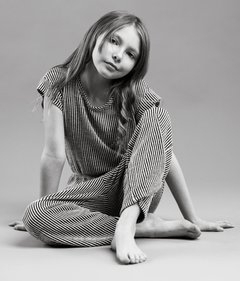
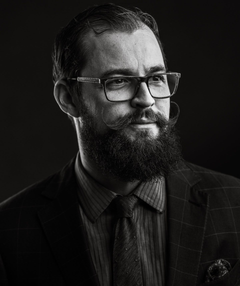
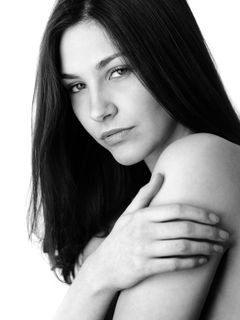

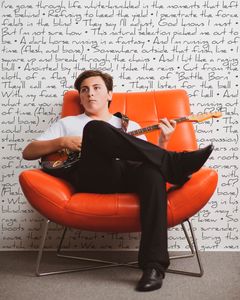
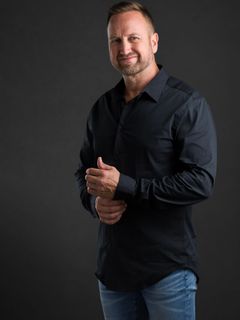
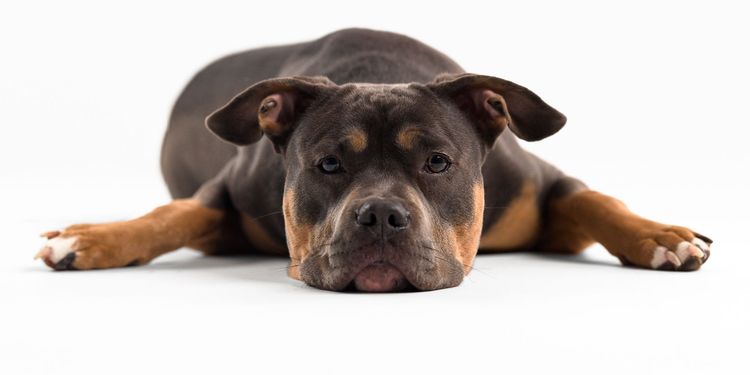
Known by your nounS—and sometimes, by your hounds. A headshot that's more than just a headshot; a full length that says what you stand for. This is the process credited with hundreds of five-star reviews and at least one marriage proposal. Sessions from $500.
THE ART OF BEING YOU

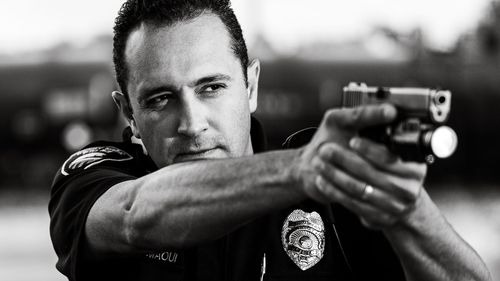

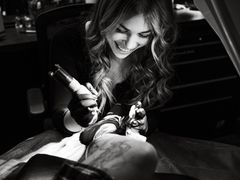
Defined by your verbs. You can look the part. You can deliver the lines. But wouldn't you rather define the role? Here's what I mean...
3,000+ stories and counting...
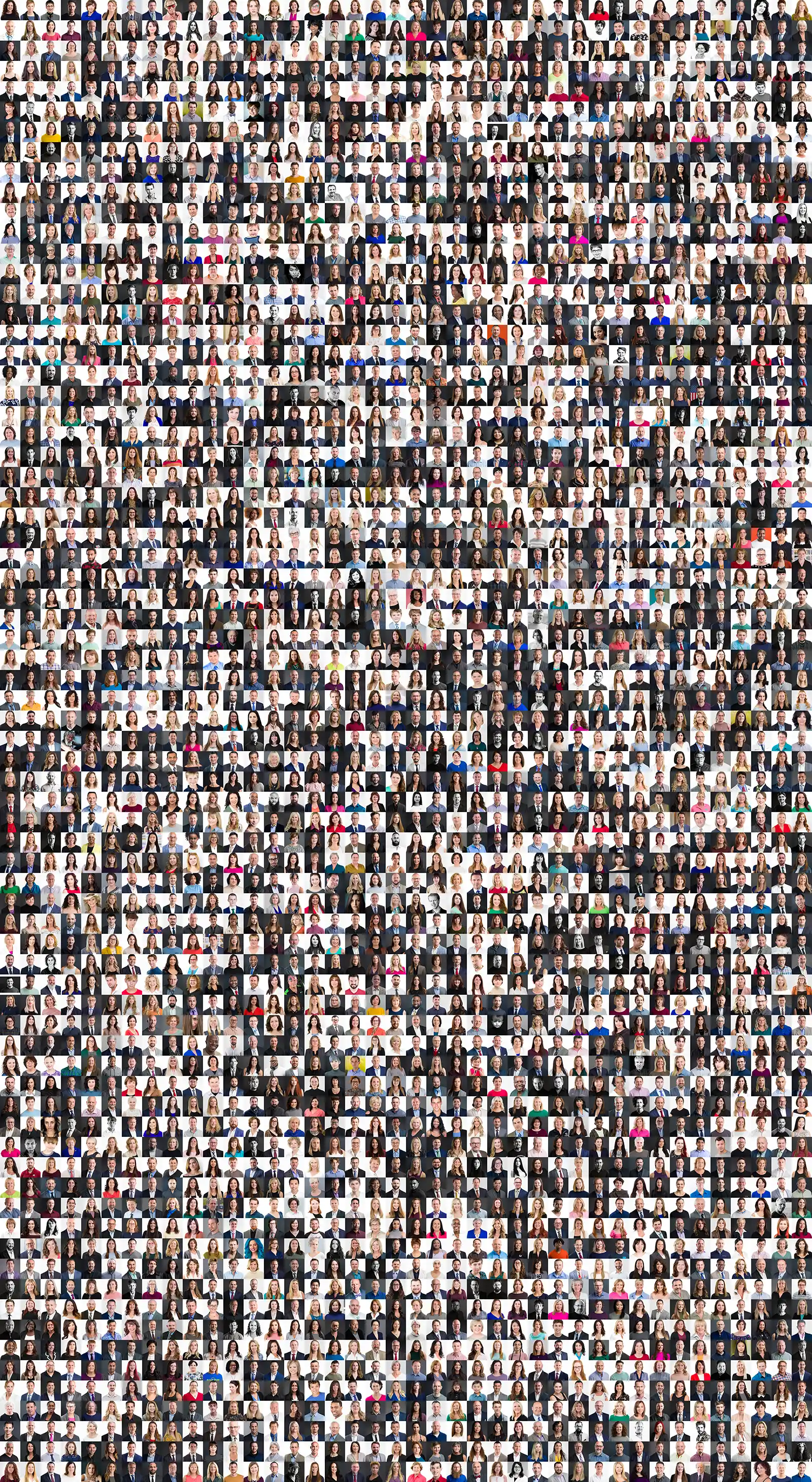
My name is Michael Cavotta, and I've been writing with images and painting with words my entire life. It was words, not images, that put me behind a camera 20 years ago, not as an observer, but as a
witness—illuminating the gap between who a person is,
and who they are becoming.
I guess that makes me—different. So are the people who walk through my nine-foot tall tangerine maple door to be witnessed. The best part?
No matter how you feel about the camera, you walk away from mine a better version of yourself.
No matter how you feel about the camera, you walk away from mine a better version of yourself.
Now what?
- READY TO BE WITNESSED? Email
- HAVE QUESTIONS? Call
- LIKE THE WAY I WRITE? Check out my book,
Chasing Light—or scroll on for my think piece on AI and why showing up as the authentic
YOU matters now more than ever...
A dark, cavernous nowhere. Emptiness. An immensity more felt than seen, lit by a single flame—the one burning inside of you.
See? You've still got it...
IMAGINE
]
[
In this case, written by a real person; unfiltered by anything artificial—unless you count spellcheck, which likely left at least one error in support of the author's claim.
And yet, something whispers otherwise.
Where AI images are getting tougher to spot, AI writing seems to be getting more obvious—its six-finger hand in everything we read: Instagram carousels, Facebook posts, X articles, even Google reviews. Everyone sounding smarter; everyone sounding—the same.
The signs are everywhere if you're looking. And if you are, you've clocked three here so far—or so you think...
VANITY: It rhymes with humanity, and it's as old as we are. Homo sapiens has been using makeup for thousands of years—from ancient Egypt, to imperial China, to feudal Japan. Long before L'Oreal, 17th century Europe embraced vanity so hard, a new kind of furniture was born.
Three centuries later, Madison Avenue and Hollywood weaponized vanity, pushing an unattainable standard ever higher—all the while selling us the products with which to chase it.
Decades passed, and while the players changed, the game really didn't—at least not until the late 90's, with the emergence of the World Wide Web. It was clumsy at first, but soon enough the Face Race hit overdrive:
2003
The first profile photos are uploaded. 'Photoshop' is a household verb.
2005
Digital cameras are out-selling film, but the world still sees itself through a photographer's lens.
2007
iPhone challenges the powers that see with the best camera in the world—the one you have with you.
2010
iPhone 4 launches with a front-facing camera, forever changing the relationship we have with our faces.
2013
Facetune popularizes 'filters'—no Photoshop hassle; no photographer guardrails.
2015
That's not what I look like.
The world witnesses an uptick in facial dysmorphic disorder
2017
Facetune hits #1 on the App Store, the "magic mirror" is real, the Face Race accelerates...
◆
In the decade that followed, the technology got better, and what's bad for our brains got worse. Today, Facetune is a $1.8 billion company with hundreds of millions of lifetime downloads, but it's just the face of a deeper problem. "That's not what I look like" has always been on a collision course with something deeper...
THAT'S NOT ME
Thud.
Here, at the bottom of that slippery slope, artificial intelligence releases us from the friction of authentic presence. Gone are the days of spending time and money to stand at the pointy end of someone else's lens, exposed—even if only for a moment—as the unfiltered self.
It is now easier to appear as you wish than to show up as you are. AI can turn a single selfie into an endless array of digital doppelgängers for you to choose from. Pro images—without the pros. No need for studios. No need for cameras. No need for soul-killing filters when humanity wasn't involved.
Once upon a time, humans would hire shamans to perform a centuries-old ritual framed in thorny verbs like shoot, capture, and take—barbs guarding a sacred process wherein ordinary people might glimpse the extraordinary truth within themselves.
FOR 600 YEARS, the em-dash was more than just punctuation—it was the esoteric hallmark of a proper wordsmith. By the 19th century, its use had been elevated to an art form by authors like Dickinson, Austen, Melville... artists who proved that in the right pen, the em-dash is a musical instrument capable of bringing poetry to life—and making prose more deadly.
Yet today, the em-dash has been reduced to a red flag for AI content, propagated by cut & paste prosers who don't know the difference between a hyphen, an en-dash, or it's M-sized big brother—and they're betting you don't either.
In the meantime, it looks like everyone hired the same sheet ghost for a copywriter. It's the Rolex Effect: When everybody's wearing one, they're all assumed to be fakes. Now that everyone's writing
sounds
smart, we're left questioning each other's intelligence.
Naturally, we turn to AI to detect AI itself in writing. Instead of reliably ratting itself out, we end up with the batter calling it's own balls and strikes. How else does a piece of original human prose carbon dated to the before times get flagged as 1%,
let alone entirely AI-generated or enhanced?
The machines have made their move, which is why you are now free to imagine this author in the midst of a 4g inverted dive, typing with two middle fingers—full Maverick—not only refusing to leave his em-dash, but unwilling to abandon negative parallelisms, avoid alliteration, or degrade words in any other way in order to assert their authenticity.
Not because he's some butt-hurt English major lamenting the redistribution of language on our flat-spin to universal basic intelligence, but for the the sheer absurdity that powerful human voices should ever bend the knee to machines that were trained to sound like
us.
◆
Inspired or exposed...whatever you may be feeling, congratulations are in order—you're human. Need a break to strip the em-dashes out of that high-stakes post your robot helped you write? Go for it. Next time, try adding this to your prompt:
Write so it sounds like ME—on a full night's sleep and a strong cup of coffee. I don't want my ideas dismissed or discounted as anything but my own, so no em-dashes or neurolinguistic trickery. I was a [C] student in English and would prefer not to advertise that I'm using a performance enhancing droid.
Even if you haven't asked the question lately, you're living out your answer. That may sting a bit—especially if you're hoping to find fulfillment living someone else's life. If your sense of self is rooted in function instead of fire today, know this about tomorrow: